Creating a Calming Atmosphere for Home Yoga
Atmosphere sounds like a luxury until you notice how strongly it steers behavior. The same sequence practiced under a bare ceiling bulb beside a pile of laundry feels different from the identical sequence in a tidy corner with warm light, and the difference shows up in how often you practice at all. Building a calming atmosphere is not decoration; it is stacking small cues that make the practicing mind easier to enter.
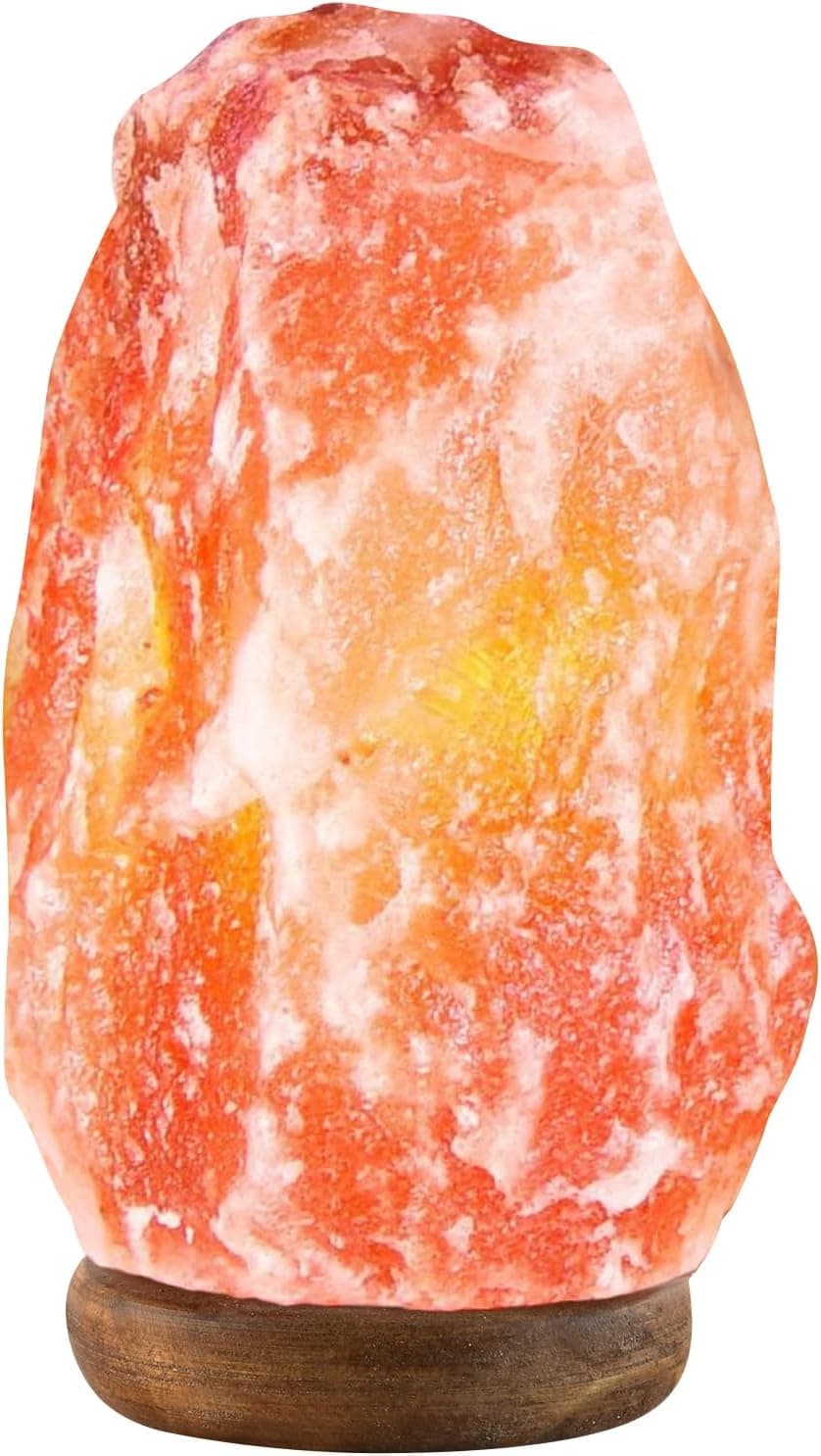
Light is the strongest lever. Overhead lighting is the enemy of calm, particularly for poses where you look upward. Side lighting from a lamp, warm-toned bulbs, or simple daylight all serve better, and dimming the lights for evening practice does half the wind-down work before the first pose. Candles are the traditional solution for a reason, though they belong well clear of the mat and any flowing clothing.
Sound comes second. Some practitioners want silence; others need something to soften household and street noise. Quiet instrumental music, ambient soundscapes, or simple nature recordings work well, and the useful test is whether you stop noticing the sound after two minutes. Anything with lyrics or strong rhythm tends to pull attention. If the household is loud, earplugs or noise-reducing headphones during floor work are a legitimate tool rather than a defeat.
Order in the visual field matters more than most people expect. A cluttered room keeps issuing tiny to-do reminders, and each glance at the laundry is a small exit from practice. This does not require minimalist renovation: clear the square meters around the mat, face away from the mess if necessary, and keep the props in a single basket. The thirty seconds spent straightening the practice corner is functionally part of the practice, a threshold ritual that marks the shift.
Scent and temperature complete the sensory set. A consistent, mild scent, a stick of incense, an essential oil diffuser, or simply a well-aired room, becomes a powerful trigger through repetition, arriving eventually with a small dose of the calm it has accompanied. Temperature should sit slightly warm for stretching and stillness; a cold room keeps the body braced, and a blanket within reach for final relaxation prevents the end-of-practice chill that cuts rest short.
The unifying principle is repetition. Any pleasant setup works once; a consistent setup starts working before you do, because the nervous system learns the pattern: this light, this sound, this scent, therefore practice. Keep the ritual small enough to perform on your worst day, three lamps' worth of effort, not thirty minutes of staging, and let months of repetition do what no single purchase can. The atmosphere then stops being something you arrange and becomes somewhere you go.
Shared households add one more layer: negotiating the quiet. A short conversation, I need twenty minutes without questions, works better than hoping to be left alone, and a closed door plus headphones covers most of the rest. If true privacy is impossible, adjust the practice rather than abandoning it, floor work and breathing are far more interruption-tolerant than balance poses. And keep perspective about imperfection: buses will pass, neighbors will drill, someone will open the door mid-pose. The calm you are building is not the absence of noise but a steadier relationship with it, and a slightly noisy home is honest training for exactly that.