Practicing Yoga Safely Without a Teacher
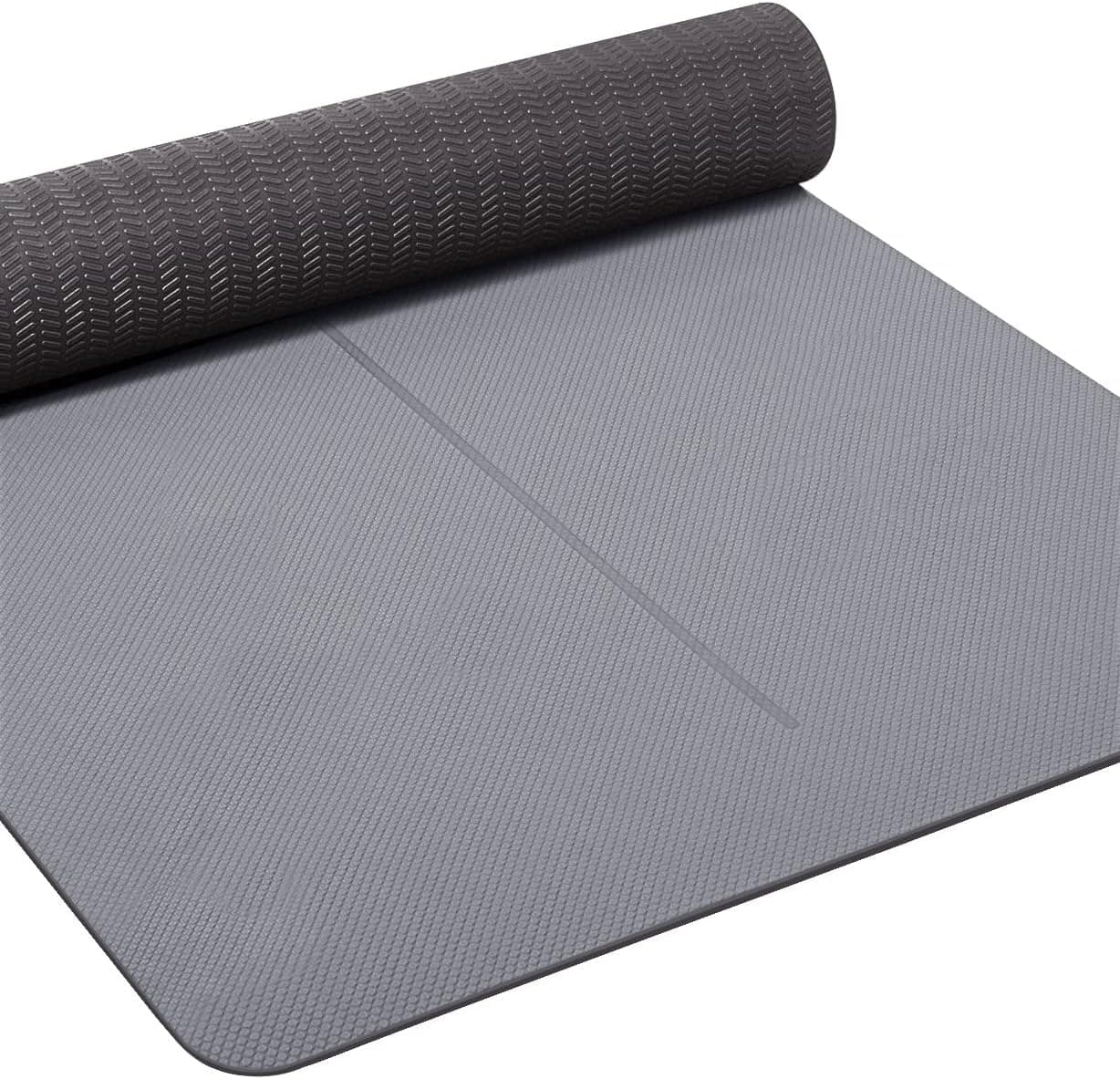
Practicing without a teacher means you inherit the teacher's job: choosing what to do, judging how far to go, and deciding when to stop. That is entirely learnable, and millions of people practice safely at home. But it deserves ten minutes of deliberate thought, because the habits you set in your first months will follow you for years.
The first principle is honest self-assessment. Without a teacher's eye, your own attention is the safety system, so distracted practice is the real hazard, more than any particular pose. Practice without your phone in reach, and check in regularly: what does the lower back feel like in this fold, are the knees comfortable in this lunge, is the breath still slow? A wandering mind in a deep stretch is how small tweaks happen.
Learn to read sensation, because the body speaks a consistent language. A broad, warm, stretching feeling in the belly of a muscle is the good kind; you can breathe with it. Sharp, sudden, pinching, electric, or radiating sensations are stop signals, as is any pain in a joint rather than a muscle. Discomfort that makes you hold your breath or grit your teeth means back off. The difference between effort and warning takes a few weeks to calibrate, so err conservative early.
Structure protects you when knowledge is thin. Always warm up with several minutes of gentle movement before deep stretches or strong poses; cold tissues are unforgiving tissues. Follow reputable beginner sequences rather than improvising from day one, since good sequences embed pacing and counterposes you do not yet know you need. Save the aspirational poses, deep backbends, headstands, and pretzel twists, until the foundations underneath them are boring.
Use the tools that substitute for a teacher's eye. Props are not crutches: blocks, straps, and blankets let you do poses correctly at your current range instead of badly at an imagined one. Occasionally film yourself and compare against a good demonstration; the gap between what a pose feels like and what it looks like is famous, and video closes it. Practicing along with high-quality recorded classes gives you sequencing and cueing without a studio.
Finally, respect the edges of self-teaching. If you have an existing injury, a medical condition, or pain that persists beyond ordinary next-day muscle soreness, get advice from a qualified professional rather than diagnosing from the internet. And even committed home practitioners benefit from an occasional live class where someone can see them move. Think of it as calibration for the many hours you practice unseen; a small dose of feedback keeps the solo miles honest.
A simple weekly rhythm keeps all of this manageable. Practice your familiar sequences most days, introduce at most one new pose or variation per week, and give anything new the beginner treatment: extra warm-up, props ready, camera on if you want feedback. Keep a short log, one line per session noting what felt strong and what complained, because patterns that are invisible day to day become obvious over a month. Practiced this way, self-taught yoga is not a riskier version of studio yoga; it is a slower, more attentive one, and the attentiveness itself becomes the most valuable thing the practice teaches.