How to Make Kneeling Yoga Poses Comfortable for Your Knees
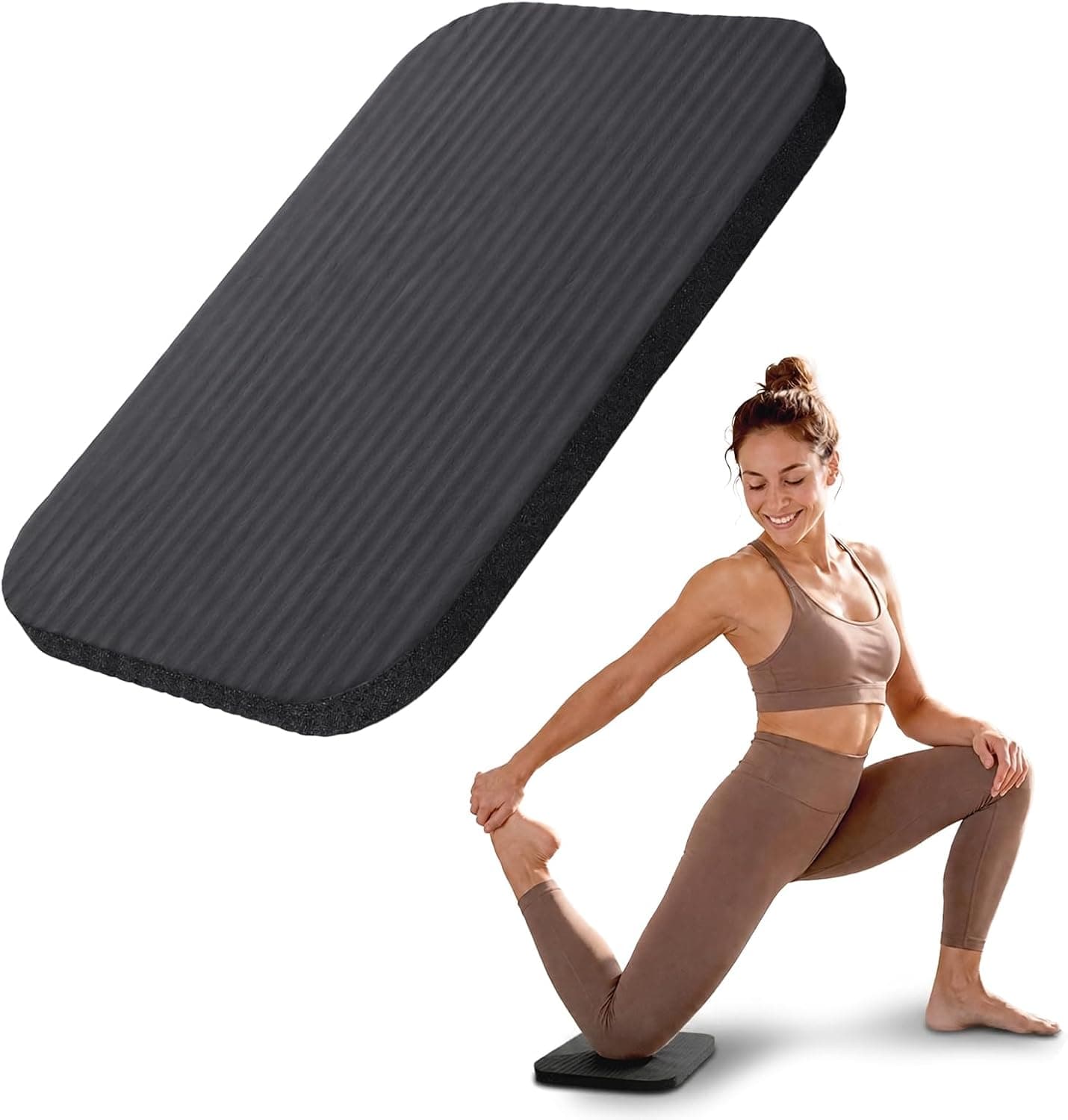
Many common yoga poses place weight directly on the kneecaps or ask the knees to bend deeply, including tabletop, low lunge, camel, hero pose and child's pose. On a thin mat or a hard floor, that pressure can be uncomfortable or painful, and people with sensitive or previously injured knees often avoid these poses altogether. Simple padding, props and modifications usually make kneeling poses accessible again.
Add padding under the knees
Standard yoga mats are designed for grip and stability, not for cushioning kneecaps against a hard floor. Folding the end of the mat over once or twice under the knees is the quickest way to add padding in tabletop and low lunge without buying anything.
Dedicated yoga knee pads or a folded blanket give thicker, softer support and can be moved wherever you need them during a flow. A thick mat helps too, although very soft mats can make standing balance poses feel less stable.
Distribute weight differently
In tabletop, place the knees slightly behind the hips so weight rests on the thigh just above the kneecap rather than directly on the bony front of the knee. Small shifts like this can make a large difference in comfort.
In low lunge, slide the back knee further back and rest on the lower thigh. Tucking the back toes and lifting the knee slightly also reduces pressure when kneeling is still uncomfortable.
Use props for deep knee bends
Poses such as hero pose, child's pose and sitting on the heels ask the knees to bend fully, which can strain tight or sensitive joints. Sitting on a block, bolster or folded blanket between or on top of the heels reduces the depth of the bend.
In child's pose, a bolster between the thighs and under the torso supports the body and lets the knees open wider. A rolled blanket behind the knees creates space and eases pressure in the joint.
Modify or substitute poses
Many kneeling poses have standing or seated versions that work the same muscles. A standing crescent lunge can replace low lunge, and a standing backbend with hands on the lower back can replace camel pose.
Lying on your back with knees drawn toward the chest offers a similar release to child's pose without kneeling. Tell a teacher about knee sensitivity so they can offer options during class.
Warm up and strengthen
Stiff muscles around the hips and thighs increase load on the knees. Warm up with gentle movements such as cat-cow, bridge and supported squats before moving into deeper poses.
Strengthening the quadriceps, hamstrings and glutes supports knee health over time. Chair pose, bridge pose and gentle lunges build strength when practised with good alignment.
Know when to stop
Sharp pain, swelling, locking or instability in the knee are signs to stop and seek advice. Knee injuries and conditions need individual assessment by a doctor or physical therapist.
Comfortable yoga should never require pushing through joint pain. Using props is a smart adjustment that lets you practise consistently and safely, not a sign of weakness.