Meditation for Beginners
Meditation has accumulated enough mystique to scare off the people it would help most. Strip the packaging away and the core practice is almost embarrassingly simple: sit comfortably, pick an anchor for your attention, notice when the mind wanders, and return. That cycle, repeated, is the entire beginner curriculum. Everything else is refinement.
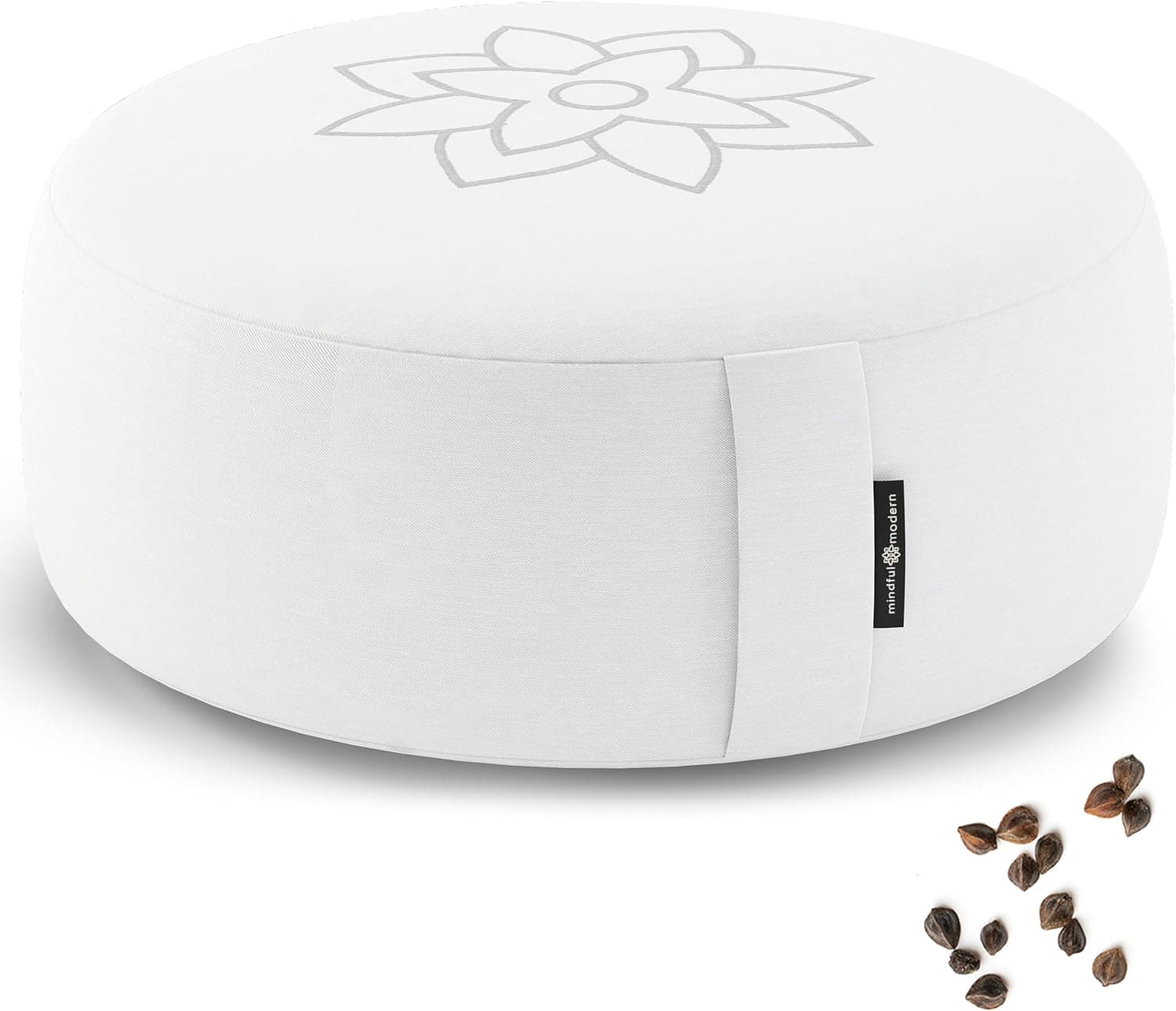
Posture first, because discomfort ends more sessions than boredom does. You do not need lotus position or even the floor. A chair is fully legitimate: sit away from the backrest if you can, feet flat, hands on thighs, spine tall but not rigid. On the floor, sit on a cushion or folded blanket thick enough that your knees rest below your hips, which spares the back. Eyes can close or rest half-open on a point on the floor.
The breath is the standard anchor. Pick one location, the nostrils, the chest, or the belly, and feel each inhale and exhale there, one at a time. Counting helps in the beginning: count each exhale up to ten, then start over. When you lose count, which you will, start again at one without commentary. The counting is scaffolding, not scripture, and can be dropped once attention steadies.
Now the crucial reframe. Your mind will wander constantly, and this is not failure; it is the material. The moment you notice you have been planning dinner instead of feeling the breath is the most important moment in the whole session, because noticing is the skill being trained. Each return is one repetition, the mental equivalent of one push-up. A session with fifty wanderings and fifty returns is a productive session, not a bad one.
Start with five minutes a day, and mean it. Five genuine minutes daily builds the habit that twenty aspirational minutes never will. Use a gentle timer so you are not peeking at the clock. Attach the sit to an existing routine, after waking, after yoga, or after lunch, and treat it like brushing your teeth: unremarkable, non-negotiable, and short enough that skipping feels sillier than doing it. Extend toward ten or fifteen minutes only when five feels stable.
Expect modest and gradual results, and be suspicious of anyone promising bliss by Thursday. What most people notice after some weeks is a slightly wider gap between impulse and reaction, a bit less rumination, and a growing ability to actually feel their morning coffee instead of drinking it on autopilot. Guided apps and recordings are fine training wheels; silent sitting is fine too. The only wrong way to meditate is on the days you don't.
A few common obstacles are worth naming in advance. Restlessness peaks around minute three and usually passes if you stay seated through it. Sleepiness means try sitting more upright, opening the eyes slightly, or choosing a different time of day than after a heavy meal. Doubt, the feeling that nothing is happening and this is a waste of time, visits everyone and deserves no special response beyond continuing. Missing days breaks nothing as long as you return the next day without ceremony. Treat all four as weather passing through the practice rather than verdicts on it, and none of them can stop you.