Restorative Yoga at Home with Bolsters
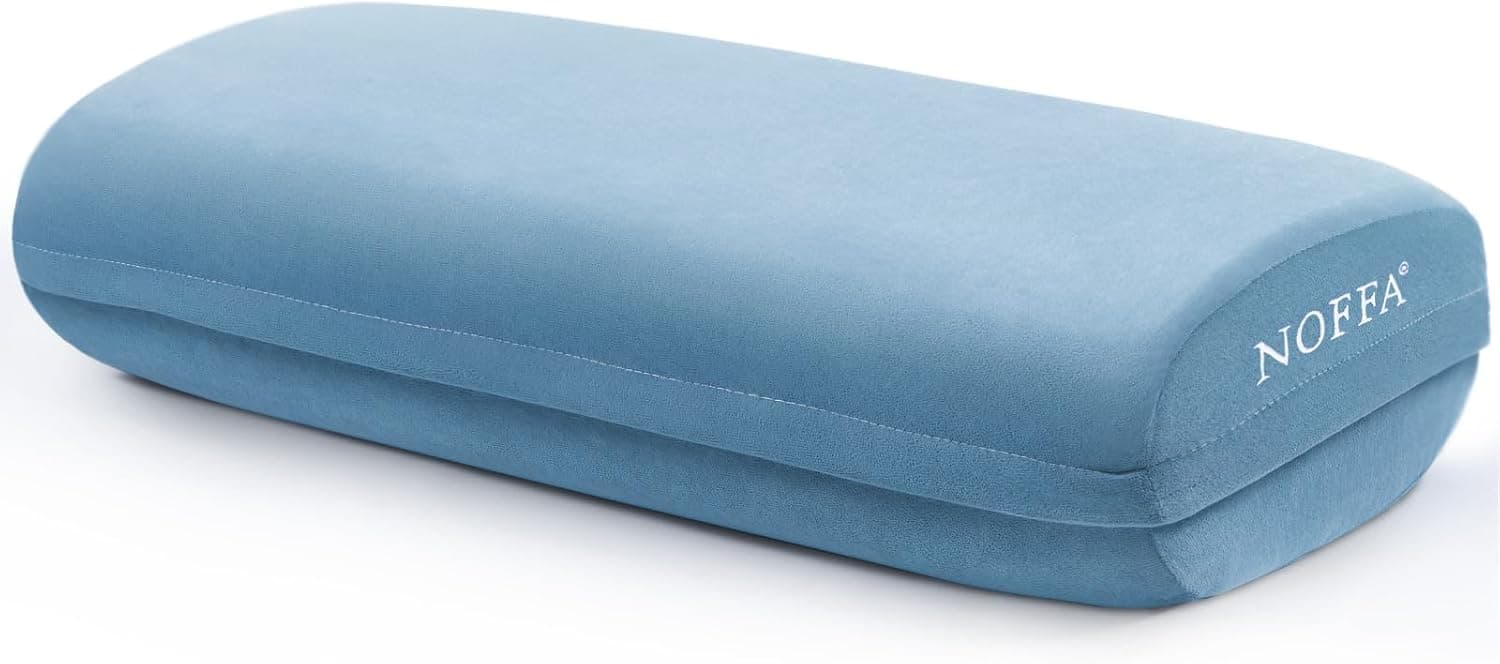
Restorative yoga is the practice of doing almost nothing, extremely well. Instead of stretching or strengthening, you arrange the body in fully supported shapes and stay there for several minutes, letting the nervous system downshift. The bolster, a firm oblong cushion, is the centerpiece of this style, and one bolster plus a couple of blankets is enough to practice at home for years.
The essential quality of a restorative pose is total support. If any part of you is working, hovering, or bracing, the setup needs adjustment, not the body. This is the opposite instinct from most exercise, and it takes a few sessions to trust. The test is simple: could you stay here comfortably for five minutes? If not, add more height, more padding, or more support until the answer is yes.
Supported reclined bound angle is the classic starting pose. Sit with the short end of the bolster against your lower back, bring the soles of the feet together with knees falling outward, and lie back along the length of the bolster. Slide a folded blanket or block under each thigh so the legs rest on something rather than hanging. Stay five to ten minutes. The chest opens gently, the hips release, and breathing tends to slow on its own.
Two other setups cover most needs. In supported child's pose, kneel with knees wide and hug the bolster lengthwise under your torso, turning your head to one side and switching halfway through. For legs-up-the-wall, place the bolster a few centimeters from the wall, rest your pelvis on it, and let your legs rest up the wall surface. Both are reliable end-of-day resets, and many people use them as a bridge between work and evening.
Timing and environment do a lot of the work. Dim the lights, put the phone in another room, and set a gentle timer so you are not clock-watching. Cover yourself with a blanket, since body temperature drops when you lie still, and a chilly body will not release. Ten to twenty minutes across two or three poses is a complete practice, ideally in the evening or on rest days.
If you do not own a bolster yet, improvise before you buy. Two firm pillows in a rolled blanket, or a stack of folded duvets, will approximate one well enough to learn the shapes. If you find yourself returning to the practice weekly, a proper bolster is worth the investment, because its firmness holds shape under body weight in a way soft bedding never quite does.
People often ask when restorative practice is the right choice, and the honest answer is: whenever doing less is what you need. It suits the evening of a stressful workday, the week of poor sleep, the recovery day between stronger sessions, and the stretch of life when motivation for vigorous practice has simply gone missing. It is also the style most worth keeping when time is scarce, because a single ten-minute supported pose still counts. Many practitioners alternate, active practice on strong days and restorative on depleted ones, and find the combination keeps them on the mat through seasons when one style alone would have failed.