Yin Yoga at Home
Yin yoga is the slow, quiet counterpart to the flowing styles most people picture when they hear the word yoga. Instead of moving between poses on the breath, you settle into a small number of floor shapes and stay there, typically two to five minutes each, with muscles relaxed. The long, gentle holds target the deeper connective tissues and the hips, and the stillness doubles as meditation training. It suits home practice unusually well, since it needs no space, no athleticism, and no momentum.
Three principles define the style. First, find an appropriate depth, around sixty or seventy percent of your maximum, a sensation that is clearly present but couldn't be called sharp. Second, resolve to be still, letting the body hang on its structure rather than working the muscles. Third, stay for time, because duration, not intensity, is the active ingredient. Going less deep for longer is the yin trade, and it feels backwards to athletic instincts at first.
A complete beginner session needs only four or five shapes. Butterfly, seated with soles of the feet together, folding loosely forward. Dragon, a deep low lunge with the back knee down. Sphinx, resting on the forearms for a gentle backbend. Caterpillar, a round-backed seated forward fold, deliberately unlike its straight-spined active cousin. Finish with a reclined twist on each side and a few minutes lying still. Hold each shape two to four minutes and expect the first minute to be the loudest.
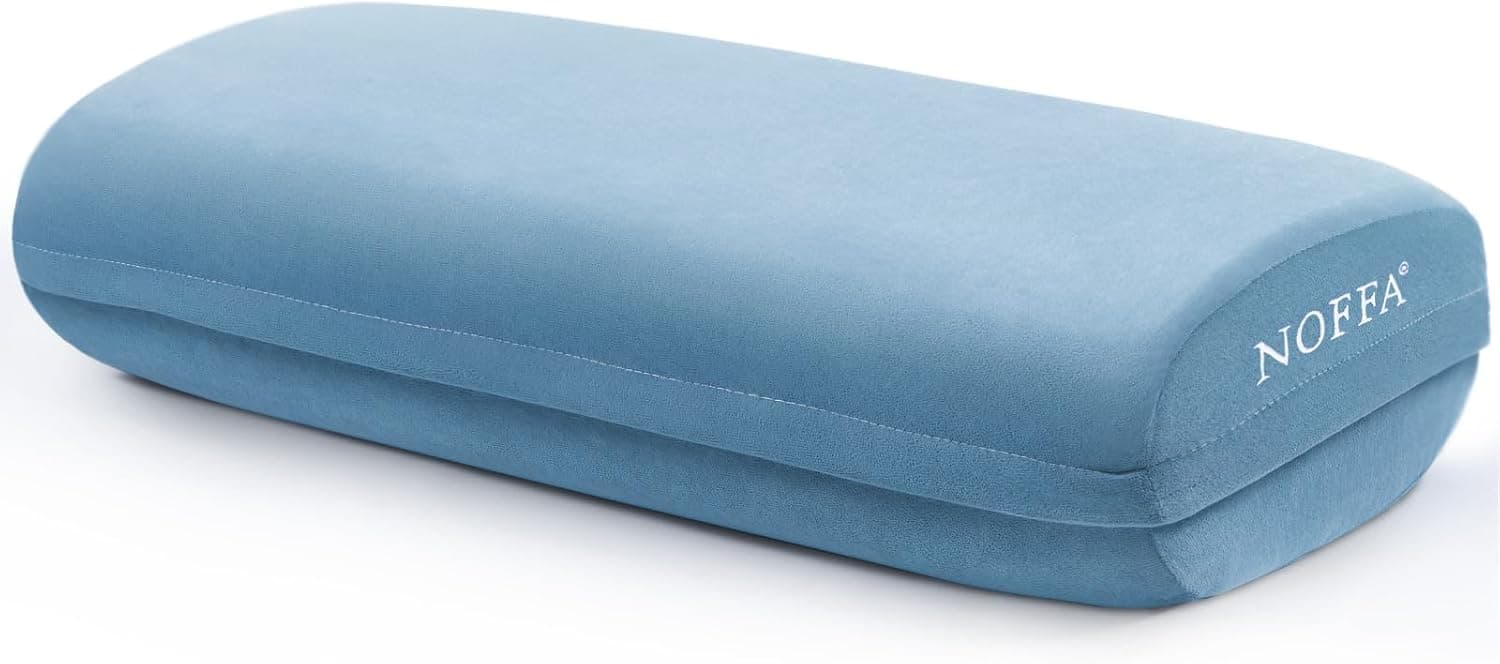
Props make yin sustainable rather than heroic. A cushion under the hips in butterfly, a folded blanket under the knee in dragon, a bolster under the chest in folds: all of these let the body actually release instead of bracing against gravity. Timers help too, since guessing at three minutes reliably produces ninety seconds. Set a gentle chime, then genuinely stop negotiating with the clock.
The interesting part of yin happens in the mind. Two minutes into a hold, with nothing to do and mild discomfort humming away, the urge to fidget, check the phone, or come out early gets strong. Watching that urge rise and pass without obeying it is the actual practice, and it transfers directly to every other uncomfortable-but-fine situation life provides. Sensation is information to observe, though sharp or electric feelings mean come out immediately.
Yin fits best as a complement rather than a replacement. Two or three yin sessions a week alongside active practice keeps the hips and spine mobile while training patience. Evening is the natural time slot, since the practice leaves most people quiet and slightly slowed down. Cold muscles are fine for yin; that is part of the design, not a problem to fix with warm-up.
A note on scheduling makes yin easier to adopt. Because it requires no warm-up and no shower afterward, yin fills time slots that active practice cannot: late evenings, cold mornings, the tired end of a long day. Many practitioners keep a standing appointment, two or three evenings a week, forty-five minutes, and treat it as maintenance for the weeks when everything else slips. If a full session is too much, a single five-minute butterfly before bed is a legitimate dose. The style scales down gracefully, which is precisely what makes it one of the most durable home practices to build.